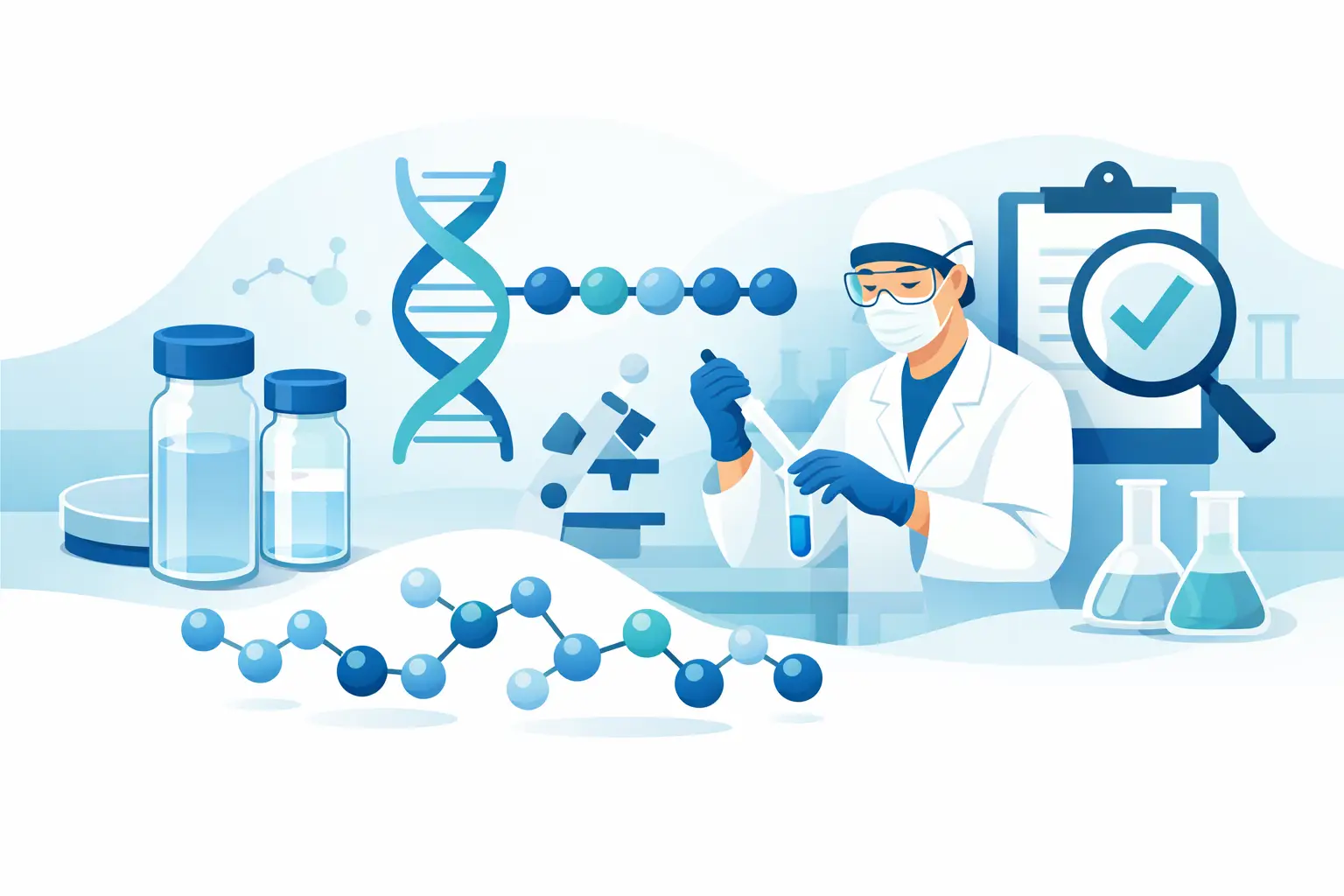
Peptides occupy a middle ground between classical small molecules and full-length proteins. They are compact strings of amino acids — usually two to fifty residues linked by peptide bonds — and they have become one of the most versatile tools on the modern bench: selective enough to interrogate a single receptor, small enough to be produced on demand, and stable enough to be shipped, stored, and reconstituted for tightly controlled experiments.
This primer walks through how peptides are positioned against proteins and small molecules, how they are manufactured, why purity is a scientific variable rather than a marketing figure, and how they slot into a defensible research workflow.
Peptides, proteins, and small molecules side by side
The boundary between peptide and protein is essentially structural. Beneath roughly fifty residues a chain remains loosely folded and behaves as a peptide — flexible, frequently signalling in vivo, and readily produced by solid-phase chemistry. Once the chain crosses that threshold it develops stable tertiary structure and is considered a protein.
Small molecules — the classical pharmacological workhorses — usually sit under 900 daltons and engage narrow binding pockets on enzymes or receptors. Peptides, by contrast, engage larger interaction surfaces, mimicking the way endogenous signalling molecules dock with their targets. That geometry buys exceptional selectivity, which is why laboratories reach for a peptide when a small molecule cannot cleanly distinguish two closely related targets.
How research peptides are produced
Contemporary research peptides are almost universally produced by solid-phase peptide synthesis (SPPS). Amino acids are appended one residue at a time to a resin-bound chain, with each coupling reaction checked for completion. When the sequence is complete the chain is cleaved from the resin, purified on preparative reverse-phase HPLC, and confirmed by mass spectrometry.
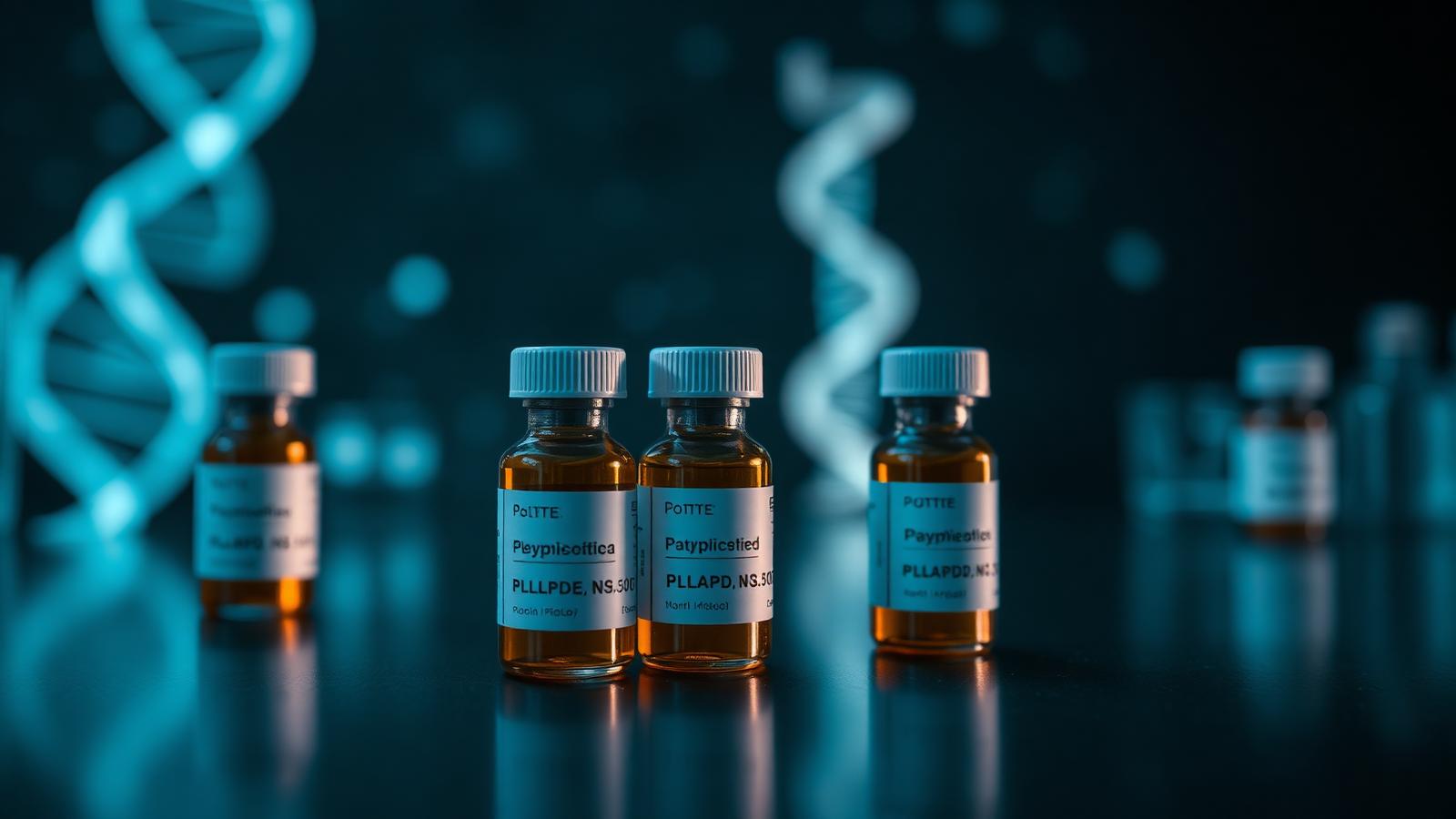
The purified peptide is then lyophilised into a light powder that stays stable at −20 °C for extended periods. The freeze-dried vial that arrives in the mail is the same physical form used in academic and industrial laboratories worldwide.
Purity is a scientific parameter, not a slogan
A peptide labelled 95% pure is not "nearly the same" as one at 99%. The residual 5% is a mixture of truncated sequences, deletion products, and side-reaction adducts — each of them biologically active in unpredictable ways. Inside a receptor binding assay those impurities compete for the same site and add noise to every measurement.
How a modern peptide catalog is organised
Most research peptides fall into a handful of recurring functional groups:
- Metabolic and incretin peptides (Retatrutide, Tirzepatide, Semaglutide) — used across glucose regulation, incretin pharmacology, and body-composition research.
- Tissue-repair peptides (BPC-157, TB-500, GHK-Cu) — studied for angiogenesis, extracellular-matrix remodelling, and wound-model work.
- Endocrine and performance peptides (Ipamorelin, CJC-1295, Sermorelin) — used in growth-hormone secretagogue research and broader endocrine signalling.
- Nootropic peptides (Semax, Selank, Cerebrolysin fragments) — deployed in neuroprotection and BDNF-axis investigation.
- Longevity and mitochondrial peptides (MOTS-c, Humanin) — used in cellular energetics, sirtuin biology, and ageing research.
A defensible starting workflow
For a group setting up a peptide research programme for the first time, the following workflow holds up under scrutiny:
- Only accept material from suppliers that publish or provide a batch-specific Certificate of Analysis.
- Hold the lyophilised vial at −20 °C in a dark, dry environment until reconstitution.
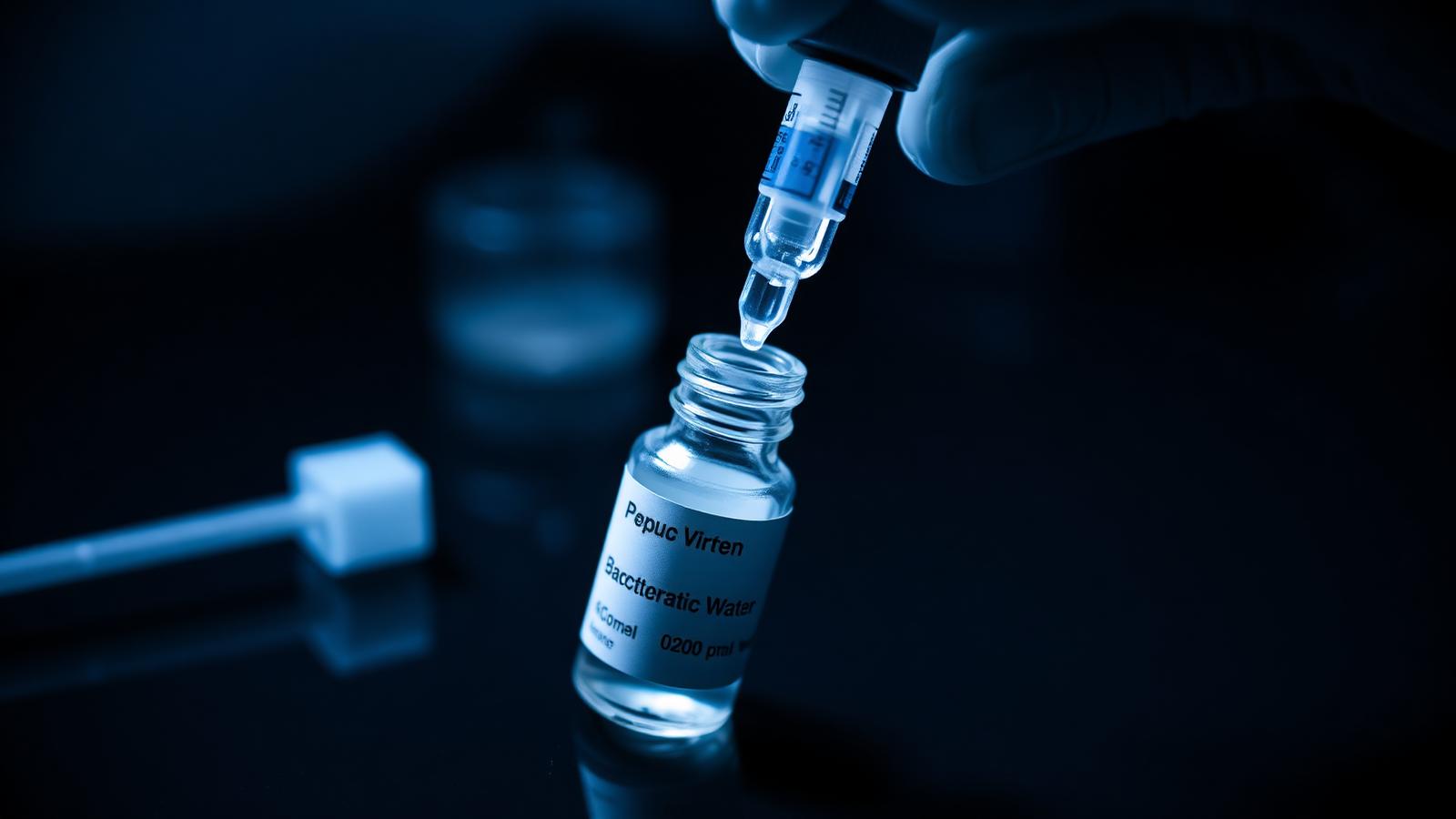
- Reconstitute with an appropriate sterile diluent — bacteriostatic water for most peptides, though certain sequences are pH-sensitive.
- Split the reconstituted solution into single-use aliquots so freeze-thaw cycling is eliminated.
- Log lot numbers, reconstitution dates, and storage conditions in the same record as the experiment itself.
Where to look next
Two skills matter more than any other once a peptide is in the freezer: reconstituting the vial correctly, and reading the Certificate of Analysis that ships with it. Both have dedicated guides on the Noctera notebook, and both tend to justify themselves the first time they rescue a compromised experiment.