
Research notebook
Guides, comparisons, and lab technique.
Written by the Noctera research team for scientists who work with the compounds we ship — reconstitution protocols, purity fundamentals, and side-by-side peptide comparisons.
Latest research articles
 Procurement
Sourcing Research Peptides: Documentation, Handling, and Traceability
Identity, purity, handling history, and lot-level documentation determine whether a result can be trusted, repeated, and defended. Here is how to procure research peptides accordingly.
 Fundamentals
Research Peptides Explained: A Practical Primer
Short amino-acid sequences that let a laboratory address a single pathway at a time — this is the primer every scientist new to peptide research should read first.
 Laboratory technique
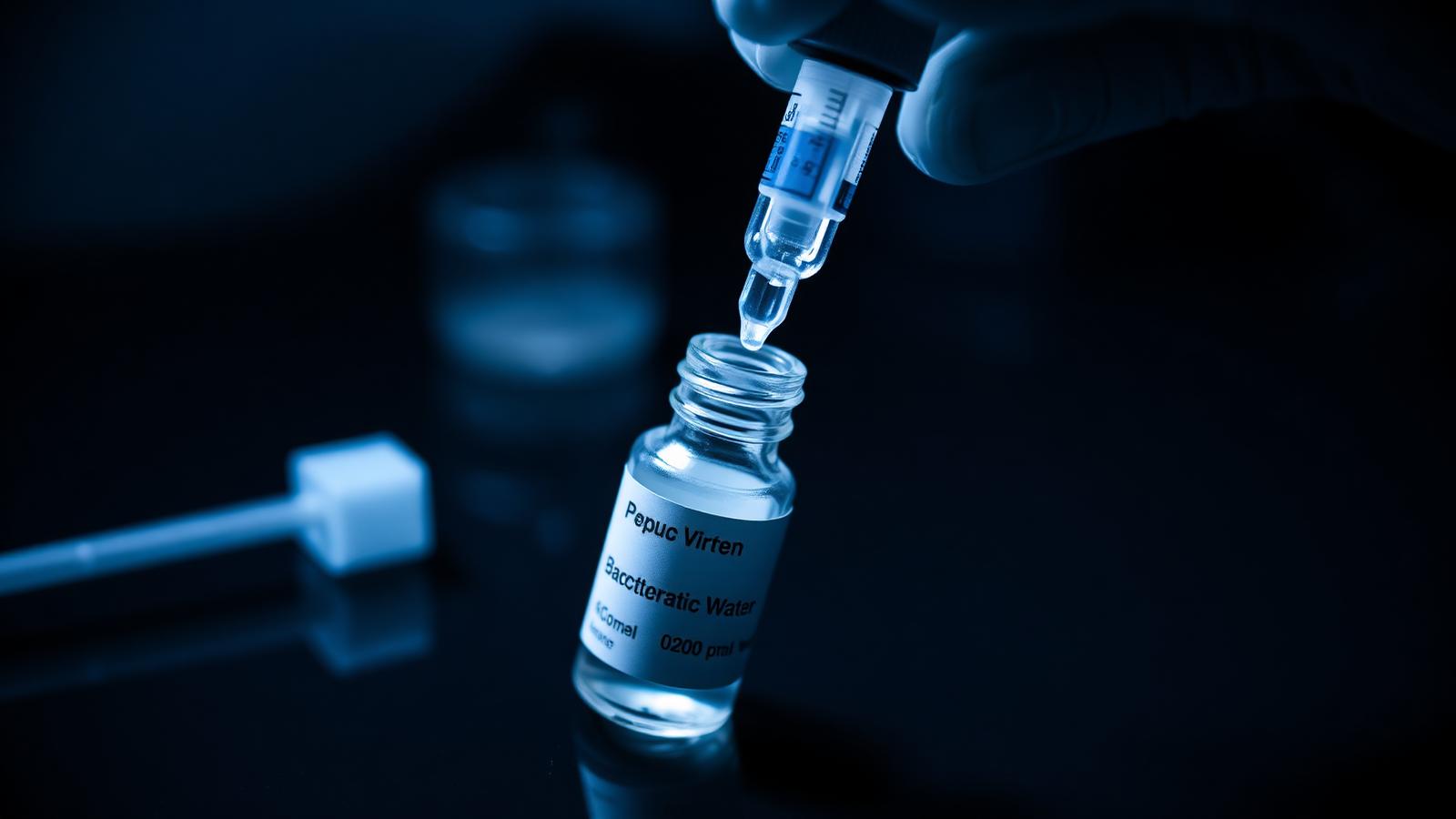
Reconstituting Research Peptides with Bacteriostatic Water: A Working Protocol
A disciplined reconstitution step is what stands between a clean data set and a study you cannot repeat. Here is the sterile procedure, the dilution arithmetic, and the storage rules that protect a peptide from vial to experiment.
 Quality & compliance
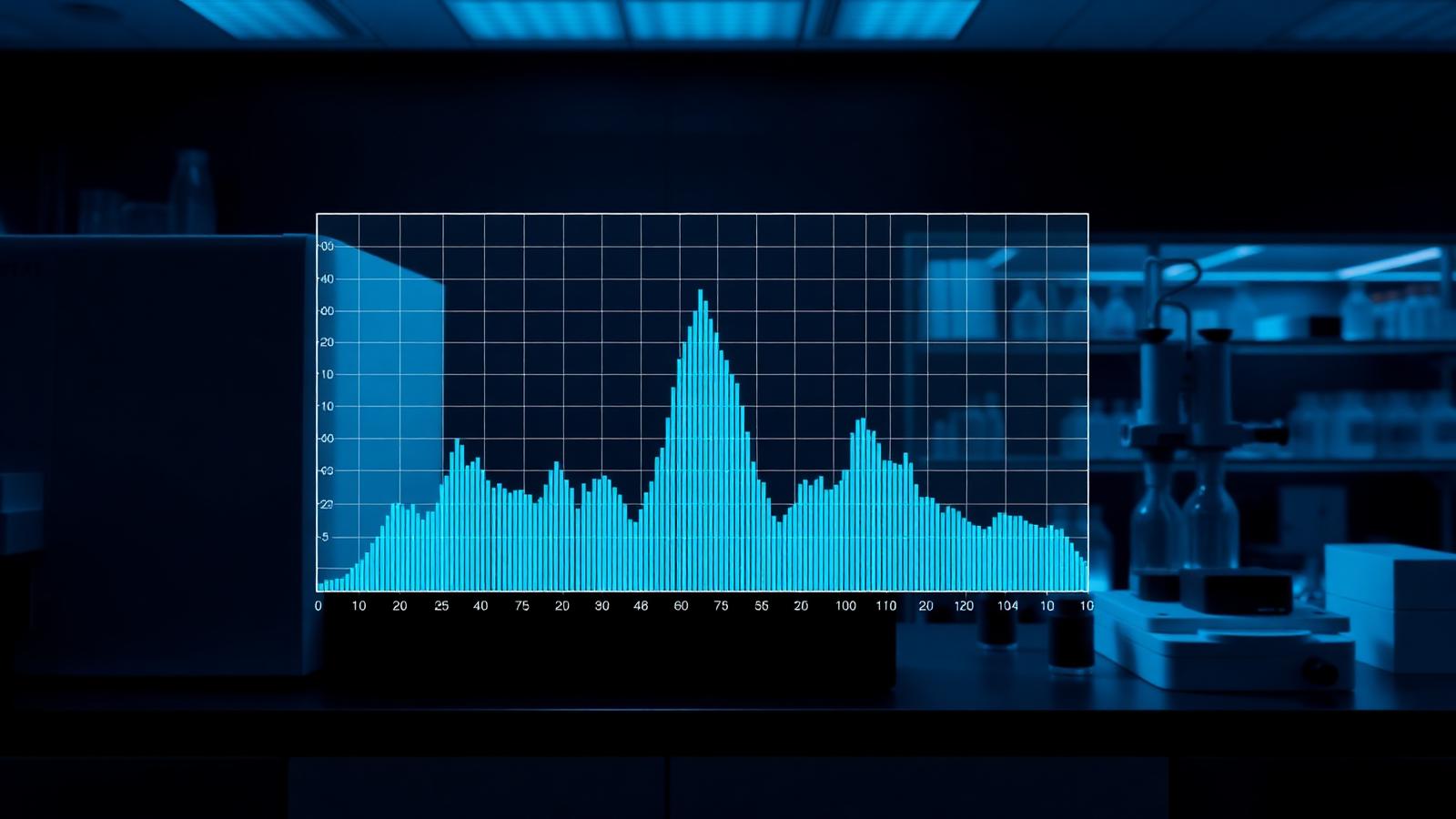
HPLC Purity and the Certificate of Analysis: What ≥99% Actually Means
The purity number on a Certificate of Analysis sets the noise floor for every experiment that follows. Here is what those figures really mean — and why the 99% threshold is not an arbitrary line.
 Peptide comparison
BPC-157 and TB-500: Two Tissue-Repair Peptides Compared
Both peptides are anchors of tissue-repair research, but they act through different pathways. Here is how BPC-157 and TB-500 compare on mechanism, injury models, and bench handling.
 Metabolic research
Semaglutide, Tirzepatide, Retatrutide: The GLP-1 Peptide Class Compared
One receptor, two receptors, three receptors. Here is how Semaglutide, Tirzepatide, and Retatrutide compare on receptor coverage, pharmacology, and the research questions each one is best suited to.